

Industrial Sight Glass: A Complete Guide to Materials, Shapes and Applications
PCHAO brand industrial sight glass give you professional custom!
Website:www.panchaoglass.com
Address:Room 1624, Jing Ye Gong Yuan Guo Ji, Jin Sui road and New Second Street intersection, Xin Xiang city, Henan Province, China
Phone: +8613569413718

Industrial sight glass is an essential component for monitoring internal conditions in pressure vessels, pipelines, reactors, storage tanks and processing equipment. It allows operators to observe liquid level, flow status, color change, mixing conditions and equipment operation without opening the system. Choosing the right sight glass depends on material performance, shape design and the actual working environment.
1. Common Materials for Industrial Sight Glass
- Tempered glass sight glass offers improved mechanical strength and is suitable for general industrial viewing applications.
- Borosilicate glass sight glass, including high borosilicate and borosilicate glass, provides good thermal shock resistance and chemical stability.
- Tempered borosilicate sight glass combines thermal stability with higher surface strength, making it suitable for frequent temperature changes.
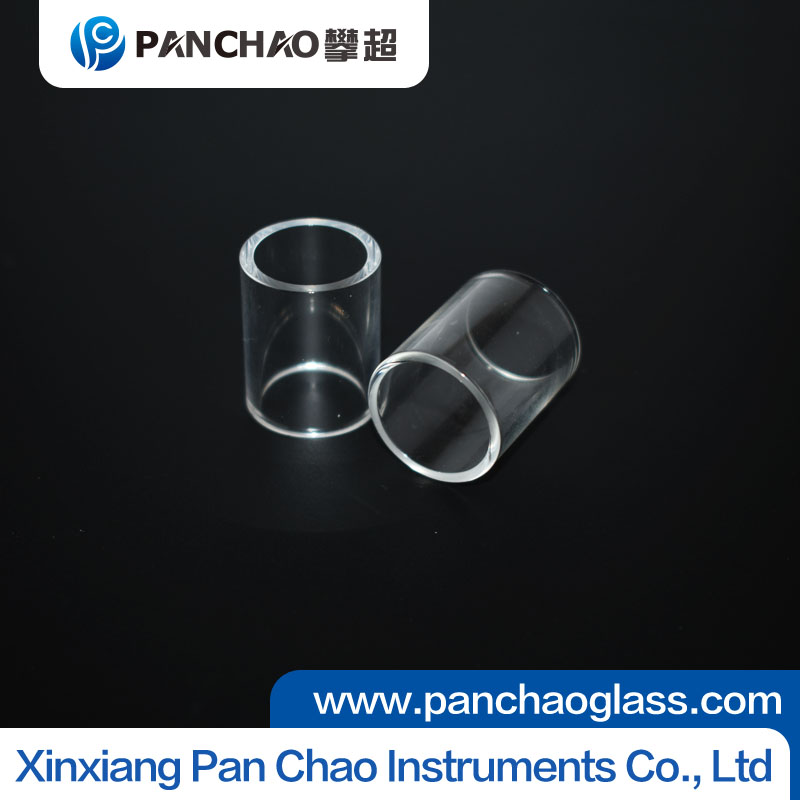
- Quartz glass sight glass and quartz glass plates are used in high-temperature, high-transparency and demanding inspection environments.
- Aluminosilicate glass can be selected when higher surface hardness, impact resistance and durability are required.
2. Typical Shapes and Forms
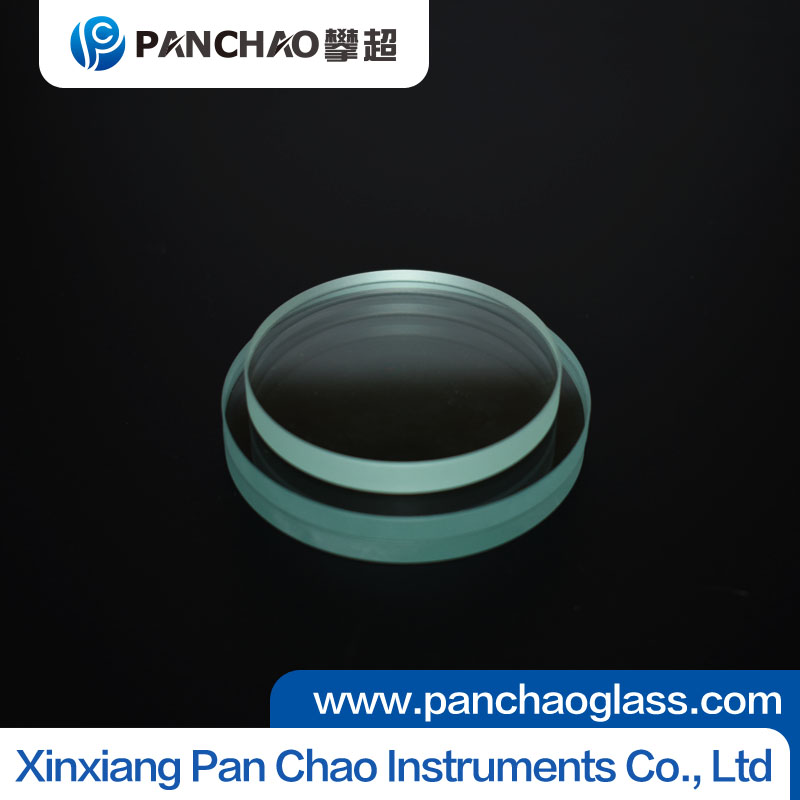
- Round sight glass is widely used in flanged, threaded and clamp-type viewing ports due to its uniform stress distribution.
- Square and rectangular sight glass is suitable for equipment with limited space or special frame structures.
- Special-shaped sight glass can be designed according to customer drawings, including oval, arc-edged and notched forms.
- Sight glass plates and optical glass plates are often used in inspection windows, optical testing and high-clarity applications.
3. Main Industrial Applications
Industrial sight glass is commonly used in chemical processing, food and beverage production, pharmaceutical equipment, power generation, water treatment and general machinery. It supports level monitoring, flow observation, reactor inspection and process visualization.
4. Key Selection Factors
When selecting industrial sight glass, important factors include operating temperature, pressure, thermal cycling, chemical exposure, transparency requirements, sealing structure and installation method. Clear technical requirements help ensure safe and reliable performance.
Understanding the differences between materials, shapes and applications helps engineers and buyers choose the most suitable industrial sight glass for their equipment and operating conditions.

Related articles
- Borosilicate Glass for Sight Glasses: Heat Resistance, Chemic
- Custom Sight Glass Solutions: Round, Square and Special-Shape
- Glass Tubes, Rods, and Sheets: Common Specifications and Uses
- Glass Thickness, Diameter, and Flatness: How Specifications A
- How to Select Glass for High-Temperature, Chemical, and Optic
- Why Can't Tempered Glass Tubes Be Processed Again? — Decodi
- The Bending Process for Shaped Glass Tubes: Differences Betwe
- Why Are "Straightness" and "Roundness" So Important f
- Precise Calculation of Glass Tube Wall Thickness and Pressure
- How Are "Striae" and "Bubble" Defects Controlled in O
Products
acrylic display center

Contact Us

Xinxiang Pan Chao Instruments Co., Ltd.
Tel: +86 13343800331
Contact person:Carrie Niu
Fax: 0373 303 0331
Email:sales@panchaoglass.com
