

Borosilicate Glass for Sight Glasses: Heat Resistance, Chemical Stability and Industrial Application
PCHAO brand industrial sight glass give you professional custom!
Website:www.panchaoglass.com
Address:Room 1624, Jing Ye Gong Yuan Guo Ji, Jin Sui road and New Second Street intersection, Xin Xiang city, Henan Province, China
Phone: +8613569413718

Borosilicate glass is widely used for industrial sight glasses because it offers a balanced combination of transparency, thermal stability and chemical durability. It helps operators monitor internal conditions safely while maintaining reliable performance in demanding environments.
1. Strong Thermal Shock Resistance
Borosilicate glass has a low coefficient of thermal expansion, so it expands and contracts less during heating or cooling. This allows it to withstand rapid temperature changes better than ordinary soda-lime glass, making it suitable for equipment with frequent thermal cycling.
2. Good High-Temperature Performance
Tempered borosilicate sight glass can generally operate for long periods at around 450°C, depending on thickness, design and installation conditions. It can also tolerate higher short-term temperatures, but actual limits should be confirmed according to specific product specifications.
3. Reliable Chemical Stability
Borosilicate glass shows good resistance to water, steam, many acids and salt solutions. This makes it suitable for reactors, pipelines, storage tanks and processing vessels. However, strong alkaline media and certain aggressive chemicals may still affect the surface over time.
4. High Transparency for Clear Inspection
Its high visible-light transmission allows clear observation of liquid level, flow direction, mixing status and color changes. Low iron content and stable structure help maintain consistent optical clarity during long-term use.
5. Wide Industrial Applications
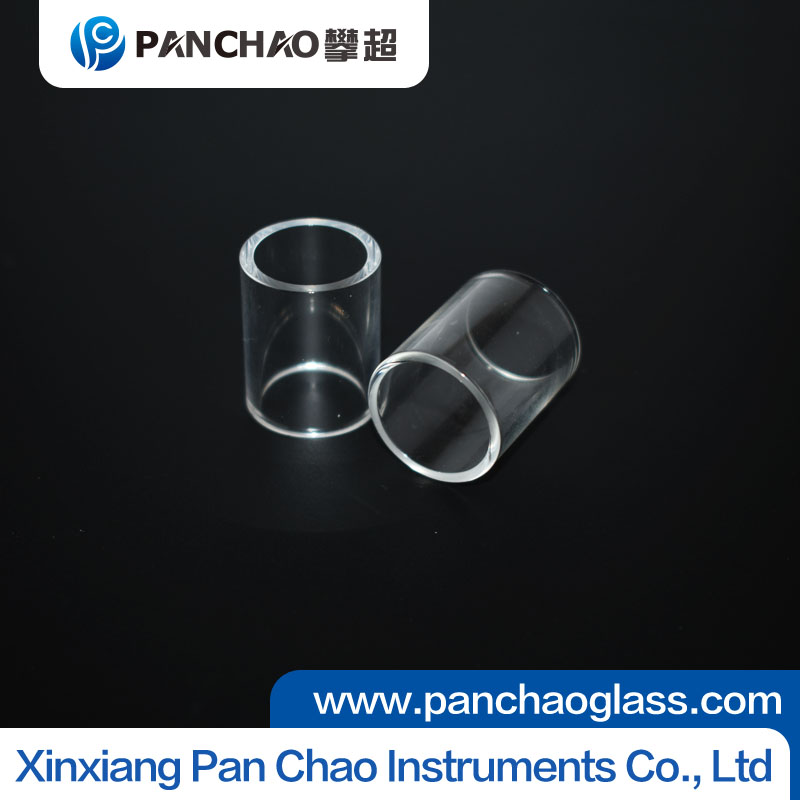
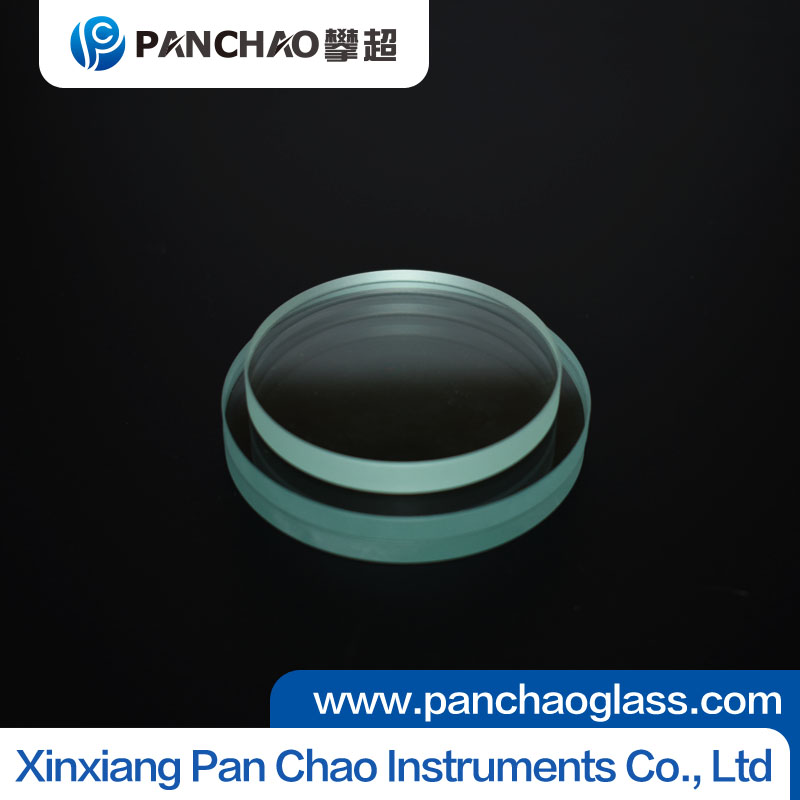
Borosilicate sight glass is commonly used in chemical processing, pharmaceutical manufacturing, food and beverage production, laboratory equipment, boilers and pressure vessels. It can be produced as round, square or special-shaped plates according to equipment requirements.
6. Key Selection Considerations
When selecting borosilicate sight glass, important factors include operating temperature, pressure, thermal cycling frequency, chemical exposure, sealing method, edge quality and installation structure. For applications with higher mechanical impact risk, tempered borosilicate sight glass is often preferred.
Borosilicate glass remains a practical and reliable material for industrial sight glasses where clear observation, thermal stability and chemical resistance are required. Proper material selection and correct installation are essential for safe and long-term service.

Related articles
- Tempered Borosilicate Sight Glass: Combining Strength and The
- Industrial Sight Glass: A Complete Guide to Materials, Shapes
- Custom Sight Glass Solutions: Round, Square and Special-Shape
- Glass Tubes, Rods, and Sheets: Common Specifications and Uses
- Glass Thickness, Diameter, and Flatness: How Specifications A
- How to Select Glass for High-Temperature, Chemical, and Optic
- Why Can't Tempered Glass Tubes Be Processed Again? — Decodi
- The Bending Process for Shaped Glass Tubes: Differences Betwe
- Why Are "Straightness" and "Roundness" So Important f
- Precise Calculation of Glass Tube Wall Thickness and Pressure
Products
acrylic display center
Contact Us

Xinxiang Pan Chao Instruments Co., Ltd.
Tel: +86 13343800331
Contact person:Carrie Niu
Fax: 0373 303 0331
Email:sales@panchaoglass.com
