

Glass Tubes, Rods, and Sheets: Common Specifications and Uses
PCHAO brand industrial sight glass give you professional custom!
Website:www.panchaoglass.com
Address:Room 1624, Jing Ye Gong Yuan Guo Ji, Jin Sui road and New Second Street intersection, Xin Xiang city, Henan Province, China
Phone: +8613569413718

Glass tubes, rods, and sheets are among the most widely used forms of industrial and laboratory glass. Although they may look simple, their performance depends heavily on material selection, dimensional accuracy, and processing quality. Understanding common specifications and typical uses helps buyers choose the right products for their applications.
Glass Tubes
Glass Tubes
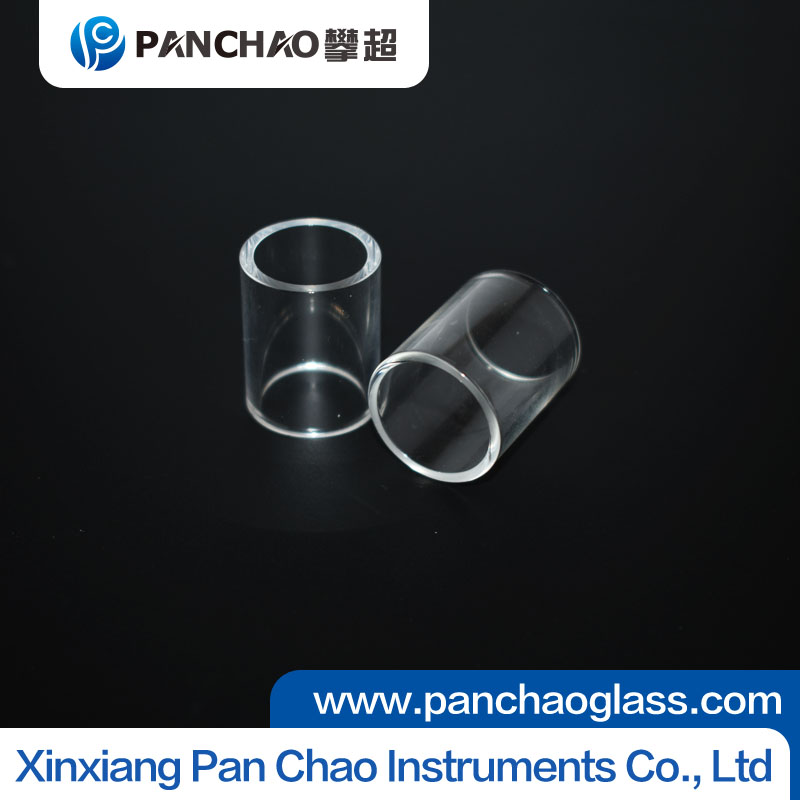
Glass tubes are commonly used in laboratory equipment, instrumentation, heating systems, sight glasses, and protective housings. Key specifications include outer diameter, inner diameter, wall thickness, length, straightness, and concentricity. For high-temperature or chemical environments, borosilicate glass tubes are often preferred because of their thermal shock resistance and chemical stability. Quartz glass tubes may be selected for applications requiring high-temperature stability, UV transmission, or infrared transparency. Tubes can also be cut, bent, sealed, or machined into custom shapes depending on the end use.
Glass Rods
Glass Rods
Glass rods are frequently used as structural supports, stirring tools, alignment components, optical reference parts, and precision shafts. Important specifications include diameter, length, roundness, surface finish, and straightness. In optical or measurement applications, rod uniformity and surface quality are especially important, because even small imperfections can affect performance. Glass rods can be ground, polished, or cut to meet tight tolerances, making them suitable for instrumentation and precision assemblies.
Glass Sheets
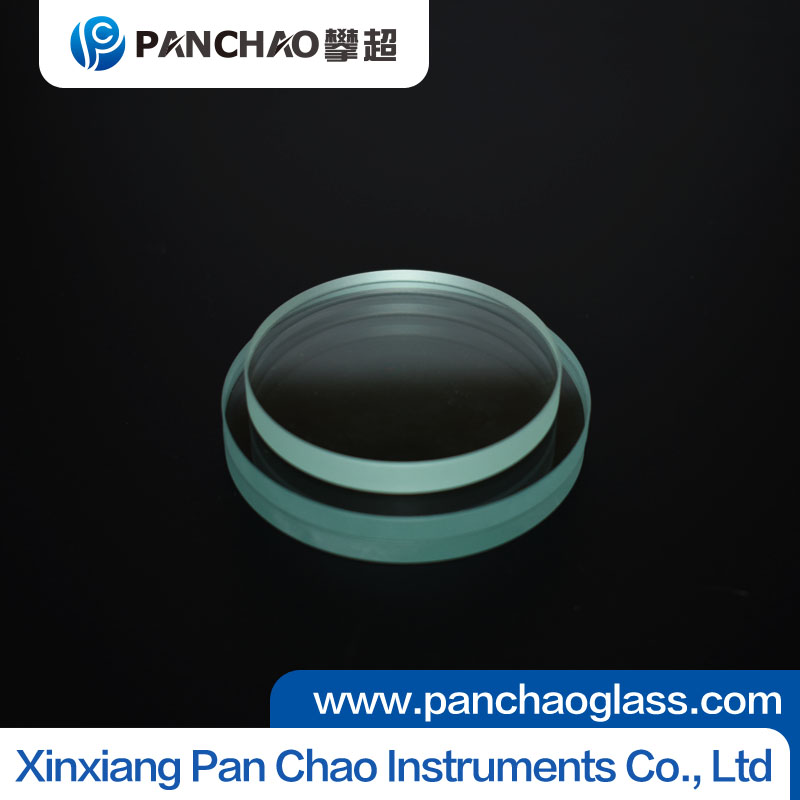
Glass sheets are used as windows, base plates, optical substrates, protective covers, observation panels, and sealing surfaces. Common specifications include thickness, length, width, flatness, parallelism, surface quality, and edge finish. For optical or inspection applications, flatness and surface defects such as scratches, bubbles, or striae must be carefully controlled. For industrial environments, edge processing and stress relief also play an important role in durability and safety.
Choosing the Right Form
When selecting glass tubes, rods, or sheets, buyers should consider operating temperature, chemical exposure, mechanical load, optical requirements, and assembly conditions. Providing clear drawings, tolerance ranges, and application details allows suppliers to recommend suitable materials and processing methods.
Whether for laboratory, industrial, optical, or instrumentation use, the right specifications ensure better fit, longer service life, and more consistent performance.

Related articles
- Custom Sight Glass Solutions: Round, Square and Special-Shape
- Glass Thickness, Diameter, and Flatness: How Specifications A
- How to Select Glass for High-Temperature, Chemical, and Optic
- Why Can't Tempered Glass Tubes Be Processed Again? — Decodi
- The Bending Process for Shaped Glass Tubes: Differences Betwe
- Why Are "Straightness" and "Roundness" So Important f
- Precise Calculation of Glass Tube Wall Thickness and Pressure
- How Are "Striae" and "Bubble" Defects Controlled in O
- Why Do Glass Tubes Need "Flame Polishing" After Cutting?
- From Sand to Tube: The Raw Materials and Melting Process of B
Products
acrylic display center
Contact Us

Xinxiang Pan Chao Instruments Co., Ltd.
Tel: +86 13343800331
Contact person:Carrie Niu
Fax: 0373 303 0331
Email:sales@panchaoglass.com
