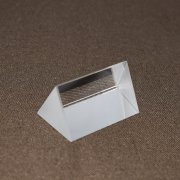
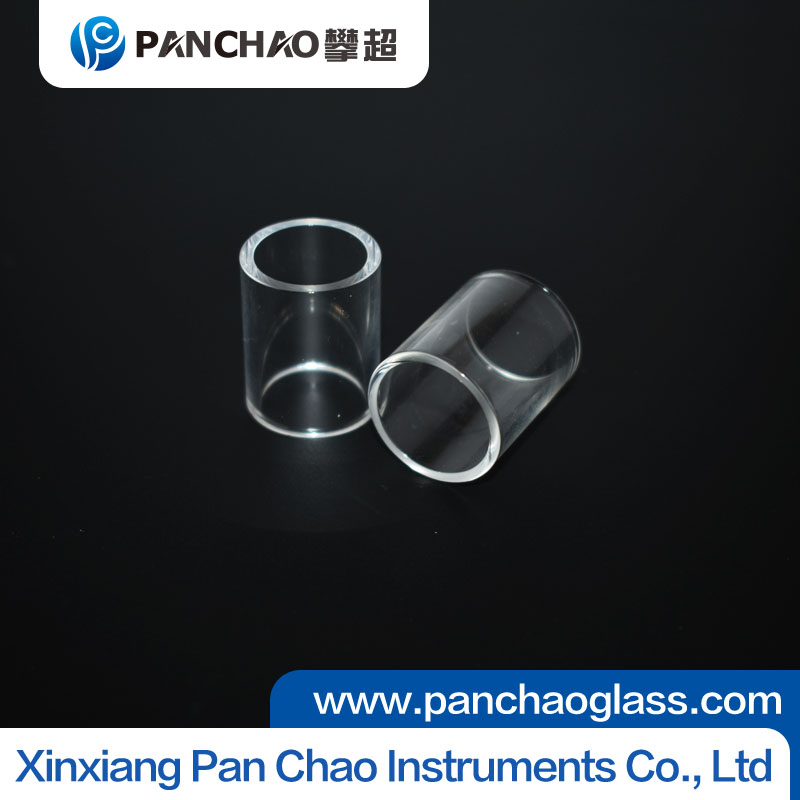
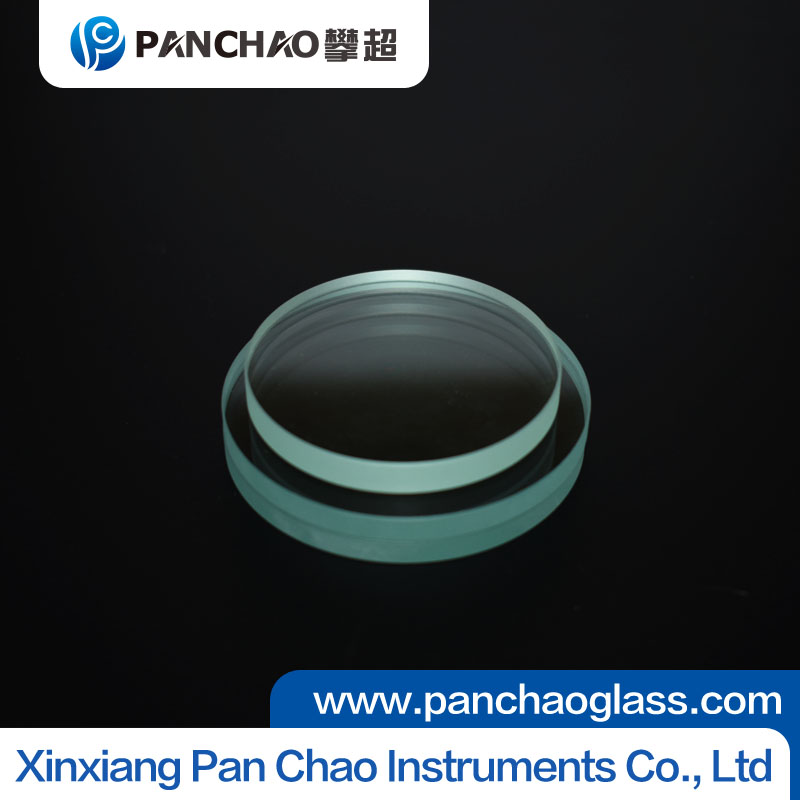
Optical glass tubing is used in applications where visual perfection is paramount. Defects such as striae and bubbles are not just cosmetic flaws; they can scatter light, reduce transmission, and render the tubing unsuitable for its intended purpose. Controlling these defects is a central challenge in optical glass manufacturing.
Understanding Striae (Cords)
Striae are thread-like or layered inhomogeneities within the glass. They appear as fine, wavy lines or streaks and are visible as differences in the refractive index of the material. Striae are caused by slight variations in the chemical composition or temperature of the glass as it cools.
During the melting process, if the glass is not fully homogenized, the resulting composition will vary on a microscopic scale. These variations cause light to bend in different ways, creating the visual effect of striae. In optical applications, striae can cause image distortion, reducing the clarity and resolution of the final component.
Controlling Striae
Striae are controlled through two key manufacturing practices. Homogenization is the first line of defense; the glass is held at high temperatures for extended periods, allowing the different components to diffuse and create a uniform composition. Mechanical Stirring is also used in some processes; the molten glass is stirred to ensure uniform mixing, preventing the formation of localized compositional variations that cause striae.
Understanding Bubbles (Inclusions)
Bubbles, or gaseous inclusions, are pockets of gas trapped within the glass. They can range in size from microscopic to several millimeters in diameter. Bubbles scatter light, reducing transmission and creating visible imperfections. Larger bubbles are also points of structural weakness, where a crack can easily initiate.
Controlling Bubbles
Bubbles are controlled during the fining stage of the melting process. The glass is held at its highest temperature, which lowers its viscosity and allows bubbles to rise and escape. This process is enhanced by the addition of fining agents, such as arsenic or antimony oxides, to the batch. These agents promote the growth of bubbles, helping them to coalesce and rise to the surface more quickly.
For some applications, a process called bubble-free melting is used to produce glass with extremely low bubble counts by melting the glass in a vacuum.
Quality Control and Inspection
Even with careful control, some defects may remain. Final inspection is an essential part of the manufacturing process. Optical inspection using bright light reveals the presence of any visible defects. Automated optical inspection can detect and classify defects by size and location. For high-precision applications, a polariscope is used to detect internal stress and verify that the glass is free from strain.
The Bottom Line
Striae and bubble defects in optical glass tubing are controlled through a combination of careful raw material selection, extended homogenization and fining, and rigorous quality control. The goal is to produce glass with a perfectly uniform composition and minimal internal defects. While the pursuit of perfection in optical glass is challenging, these manufacturing controls ensure that the tubing meets the demanding requirements of modern optical and photonic technologies.