

How to Select the Right Sight Glass for Chemical, Food and Pharmaceutical Equipment
PCHAO brand industrial sight glass give you professional custom!
Website:www.panchaoglass.com
Address:Room 1624, Jing Ye Gong Yuan Guo Ji, Jin Sui road and New Second Street intersection, Xin Xiang city, Henan Province, China
Phone: +8613569413718

A sight glass is more than a transparent window on a tank, reactor or pipeline. It is a critical safety and process-control component that allows operators to monitor liquid level, flow status, phase change, color, clarity and contamination in real time. Selecting the wrong sight glass can lead to premature failure, product contamination, unplanned downtime or even serious safety incidents. For chemical, food and pharmaceutical equipment, the selection process should be based on process conditions, hygiene requirements, material compatibility and applicable standards.
1. Define the process conditions first
Before choosing a sight glass, confirm the actual working environment. Key parameters include operating temperature, pressure, thermal cycling frequency, media type, pH value, viscosity, corrosivity and whether the process involves steam, CIP/SIP cleaning or frequent opening. High temperature alone is not the only risk; rapid temperature changes can cause thermal shock, especially in reactors and sterilization systems.
2. Choose the correct glass material
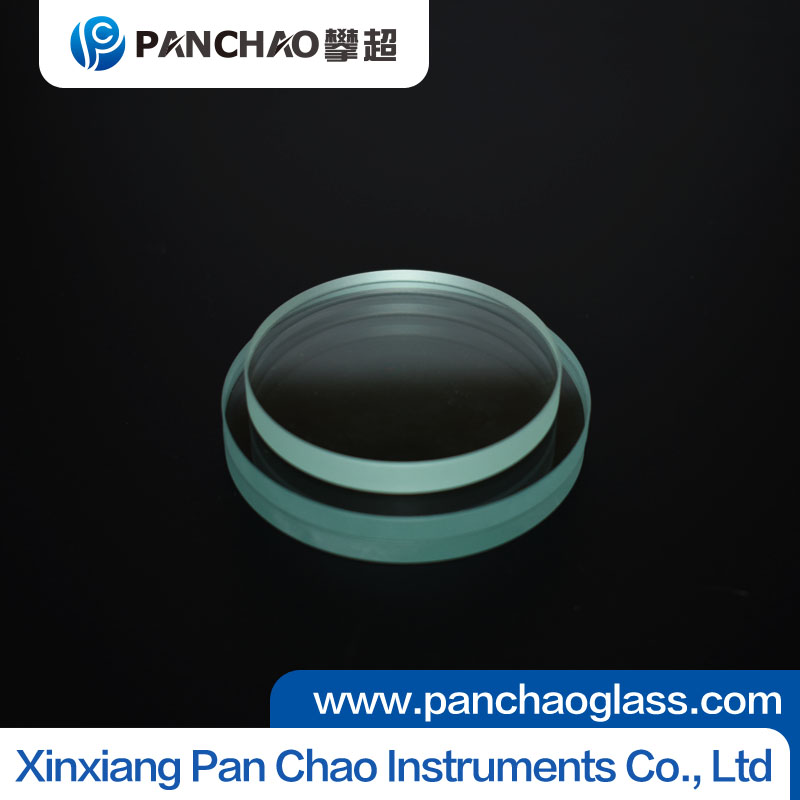
Borosilicate glass is the most widely used sight glass material in industrial equipment because of its low thermal expansion, good thermal shock resistance and broad chemical compatibility. It performs well in many chemical, food and pharmaceutical applications, especially when processes involve frequent heating and cooling.
For higher temperature or more aggressive environments, quartz glass may be a better option due to its superior heat resistance and optical clarity. For extremely high-pressure or highly corrosive applications, fused glass-metal assemblies or specially engineered windows may be required. Ordinary soda-lime glass should generally be avoided in demanding industrial systems.
3. Match pressure rating and thickness
Sight glass pressure capacity depends on glass type, thickness, diameter, support structure and sealing design. Thicker glass is not always safer if the structure is not properly matched to the system pressure. The sight glass must be rated for the maximum operating pressure and possible pressure peaks, with an appropriate safety margin.
4. Consider hygiene and regulatory requirements
Food and pharmaceutical applications place stricter demands on surface finish, cleanability and contamination control. Sanitary sight glasses should avoid dead corners, crevices and rough surfaces where microbes can accumulate. Materials in contact with the product should meet relevant food-grade or pharmaceutical requirements. In pharmaceutical systems, compliance with standards such as USP Type I glass and ASME BPE may be required. For food processing, hygienic design principles and clean-in-place compatibility are especially important.
5. Select the proper structure and connection type
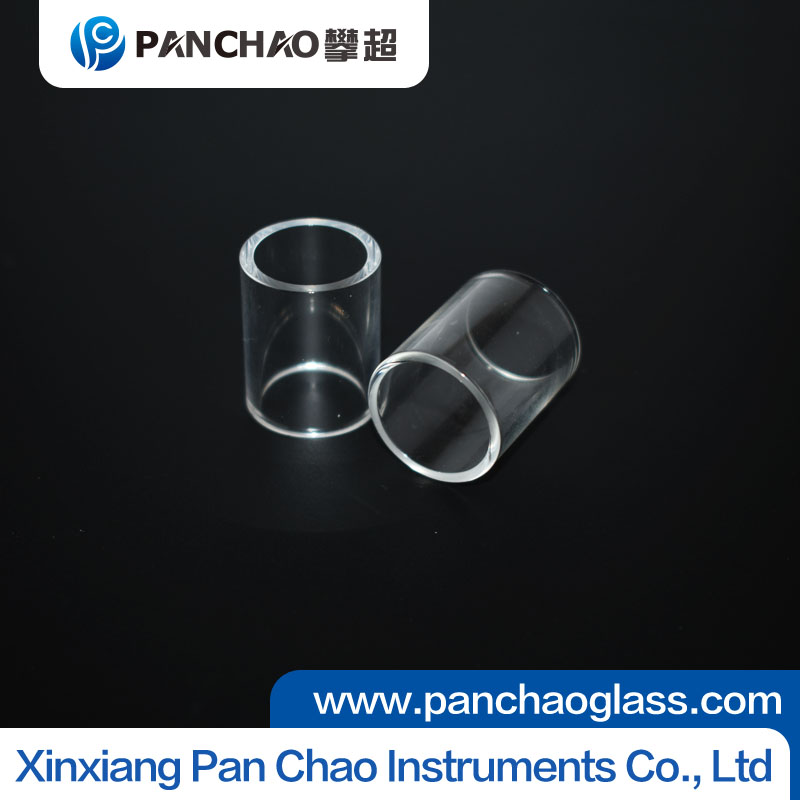
Common sight glass structures include flanged sight glasses, sanitary clamp sight glasses, tubular sight glasses, welded sight glasses and illuminated sight glasses. Sanitary clamp connections are suitable for dairy, beverage, biopharmaceutical and pure water systems because they allow fast disassembly and cleaning. Flanged sight glasses are more suitable for chemical pipelines and pressure vessels. Illuminated sight glasses help when the medium is dark, viscous or installed in low-light areas.
6. Do not ignore gaskets, frames and installation details
The glass is only one part of the assembly. Gasket material must be compatible with the process medium, cleaning agents and temperature range. For example, EPDM, PTFE, FKM and metal gaskets each have different chemical and temperature limits. The frame material—such as stainless steel 304, 316 or 316L—should also match the corrosion environment. During installation, avoid excessive torque, uneven compression and sudden temperature changes.
7. Plan for inspection and replacement
Sight glass is a consumable component. Over time, it may show reduced transparency, surface erosion, micro-cracks or seal aging. Establish a regular inspection schedule and replace the sight glass before defects develop into safety risks. Always keep material certificates, pressure/temperature ratings and installation records for quality audits.
Choosing the right sight glass requires balancing visibility, safety, durability and compliance. For chemical systems, prioritize chemical resistance and pressure rating. For food and pharmaceutical systems, prioritize hygienic design, cleanability and certification. When in doubt, consult the equipment supplier and confirm the sight glass specifications against actual process data rather than selecting by size alone.

Related articles
- Tempered Borosilicate Sight Glass: Combining Strength and The
- Borosilicate Glass for Sight Glasses: Heat Resistance, Chemic
- Industrial Sight Glass: A Complete Guide to Materials, Shapes
- Custom Sight Glass Solutions: Round, Square and Special-Shape
- Glass Tubes, Rods, and Sheets: Common Specifications and Uses
- Glass Thickness, Diameter, and Flatness: How Specifications A
- How to Select Glass for High-Temperature, Chemical, and Optic
- Why Can't Tempered Glass Tubes Be Processed Again? — Decodi
- The Bending Process for Shaped Glass Tubes: Differences Betwe
- Why Are "Straightness" and "Roundness" So Important f
Products
acrylic display center
Contact Us

Xinxiang Pan Chao Instruments Co., Ltd.
Tel: +86 13343800331
Contact person:Carrie Niu
Fax: 0373 303 0331
Email:sales@panchaoglass.com
