

Comparison of Three Major Glass Materials: Borosilicate, Quartz, and Tempered Glass

Borosilicate glass, quartz glass, and tempered glass are widely used in industrial equipment, laboratory instruments, optical systems, and observation windows. Although all three offer unique advantages, they differ significantly in heat resistance, chemical stability, mechanical strength, and application performance.
1. Borosilicate Glass
Borosilicate glass contains silica and boron oxide, giving it a low thermal expansion coefficient and excellent thermal shock resistance.
Key advantages:
-
Excellent resistance to rapid temperature changes
-
Good chemical corrosion resistance
-
High transparency
-
Good thermal stability
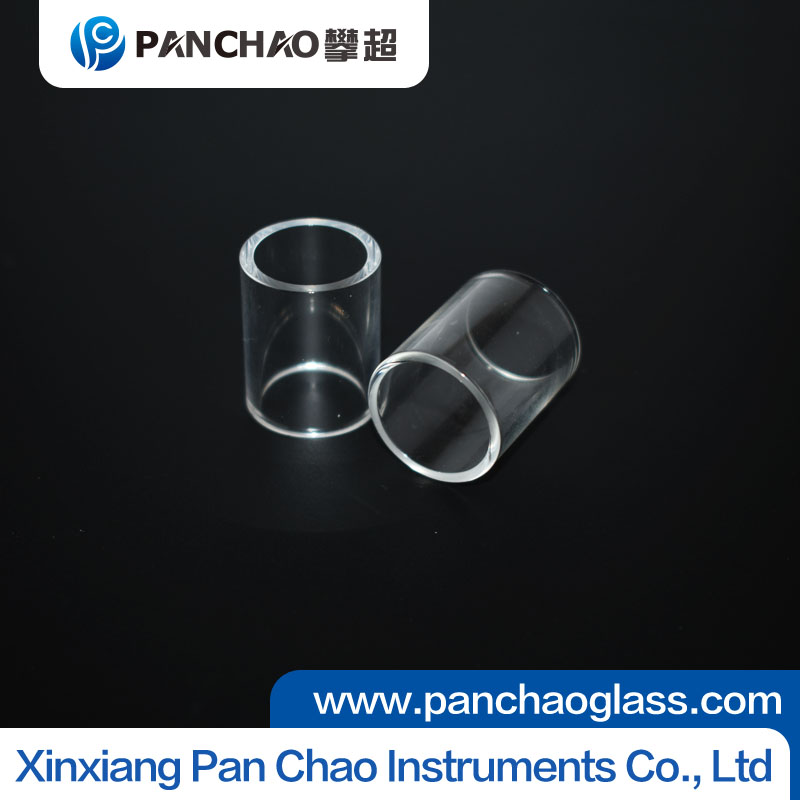
Typical applications: Laboratory glassware, chemical equipment, industrial sight glass, and customized glass tubes.
2. Quartz Glass
Quartz glass is primarily made from high-purity silica and is known for its outstanding thermal and optical properties.
Key advantages:
-
Excellent high-temperature resistance
-
Outstanding ultraviolet light transmission
-
High chemical stability
-
Extremely low thermal expansion
Typical applications: Semiconductor equipment, optical instruments, high-temperature furnaces, and specialized laboratory systems.
3. Tempered Glass
Tempered glass is manufactured through controlled heating and rapid cooling, creating surface compressive stress that improves mechanical strength.
Key advantages:
-
Higher impact resistance than ordinary annealed glass
-
Improved bending strength
-
Better thermal shock resistance than ordinary glass
-
Breaks into relatively small fragments when fully tempered glass fails
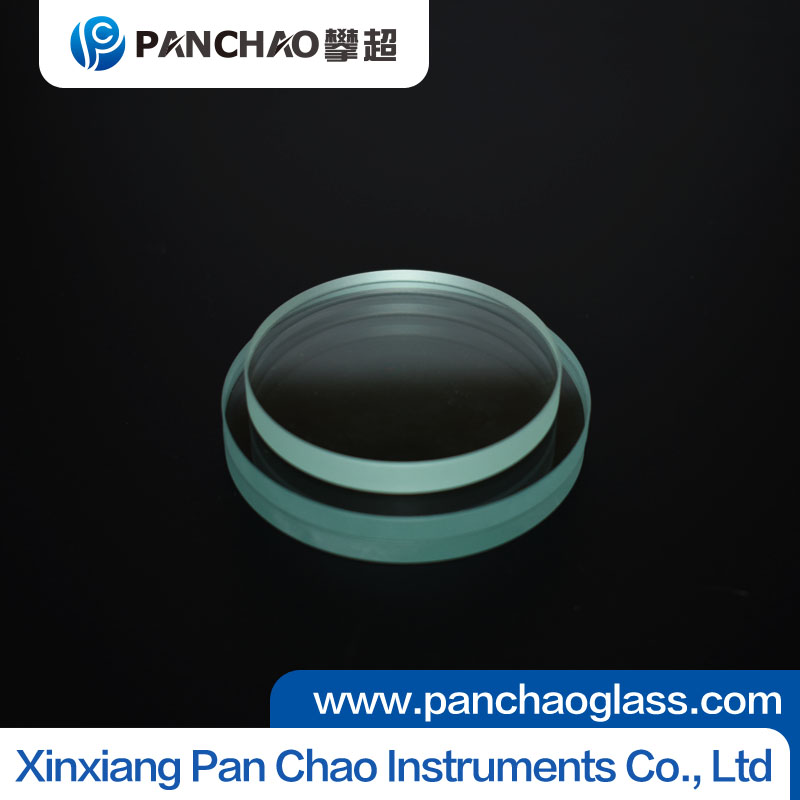
Typical applications: Industrial observation windows, protective glass panels, and equipment viewing windows.
4. How to Choose the Right Material?
Different applications require different glass properties.
-
Choose borosilicate glass for laboratory equipment, chemical processing, and general industrial observation.
-
Choose quartz glass for high-temperature environments, UV applications, and high-purity processes.
-
Choose tempered glass when improved mechanical strength and safer fracture behavior are important.
Material selection should also consider operating pressure, temperature fluctuations, chemical exposure, glass thickness, and installation conditions.
There is no universally best glass material. The right choice depends on the operating environment and the actual application requirements.

Related articles
- High Temperature Borosilicate Glass with Stable Chemical Perf
- Borosilicate Glass vs Tempered Glass: Thermal Resistance &
- Durable Borosilicate and Quartz Sight Glass for Process Monit
- Tempered Sight Glass with High Mechanical Strength and Safety
- Borosilicate Sight Glass for Pipeline, Tank and Reactor Monit
- Heat-Resistant Borosilicate Glass Plate for Laboratory and In
- Fused Silica Quartz Sight Glass with High UV and IR Transmiss
- How to Select the Right Sight Glass for Chemical, Food and Ph
- Tempered Borosilicate Sight Glass: Combining Strength and The
- Borosilicate Glass for Sight Glasses: Heat Resistance, Chemic

Xinxiang Pan Chao Instruments Co., Ltd.
Tel: +86 13343800331
Contact person:Carrie Niu
Fax: 0373 303 0331
Email:sales@panchaoglass.com
