
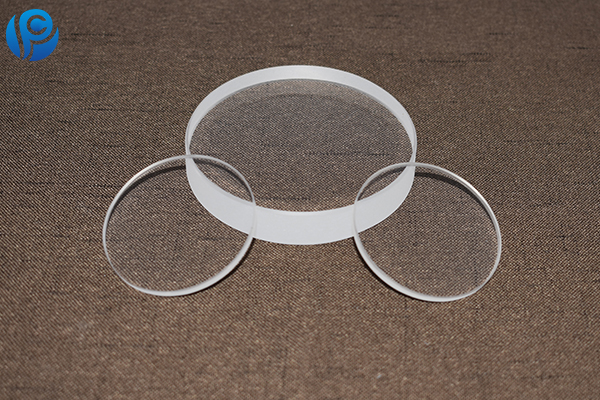
How to Improve the Service Life of Industrial Sight Glasses

Industrial sight glasses operate in harsh environments—high temperatures, high pressures, corrosive chemicals, and mechanical stress. Extending their service life is a matter of systematic maintenance and operational discipline. Here are proven strategies to maximize the lifespan of your sight glasses.
Choose the Right Material
The most important factor in longevity begins with the selection. Ensure the glass material is chemically compatible with all process fluids. Borosilicate glass is ideal for most acids, while quartz glass is necessary for high temperatures and UV transparency. Sapphire glass offers superior scratch resistance for abrasive environments. Selecting a material with a high resistance to thermal shock is essential to prevent cracking.
Ensure Proper Installation
Proper installation is critical to prevent premature failure. Use a torque wrench and follow the manufacturer's specifications for bolt tightening to avoid creating stress points on the glass. Use gaskets made of compatible materials, such as PTFE, graphite, or other materials suitable for your process temperature and pressure. Avoid over-tightening or under-tightening, as this can lead to leaks or stress fractures. Also, ensure the flange faces are clean and parallel to prevent uneven stress.
Manage Thermal Shock
Thermal shock is one of the leading causes of sight glass failure. To protect your sight glass, avoid rapid temperature changes. When starting up or shutting down equipment, ramp temperatures slowly. Use sight glasses with low coefficients of thermal expansion, such as quartz or borosilicate, for applications with frequent temperature cycles. Consider installing a cooling jacket or a heat shield to protect the sight glass from extreme thermal gradients.
Protect Against Chemical Attack
Chemical corrosion can etch the glass surface, weakening it over time. To prevent this, periodically inspect the glass for signs of etching or cloudiness. Select gasket and seal materials that are resistant to the process chemicals. Where possible, use a purge gas to keep the viewing surface clean and free from corrosive deposits.
Keep It Clean
Dirt, dust, and process residues can obscure the view and, over time, cause surface damage. Inspect the sight glass regularly and clean it using appropriate cleaning agents. Use soft cloths or brushes to avoid scratching the glass. Ensure cleaning agents are chemically compatible with both the glass and the seal material.
Regular Inspection and Proactive Maintenance
Inspect sight glasses regularly for signs of wear, such as cracks, chips, etching, or seal degradation. Implement a preventive maintenance schedule that includes gasket replacement and hardware inspection. Record the service life of sight glasses to establish replacement intervals based on actual performance data.
The Bottom Line
Extending the service life of industrial sight glasses is achieved through a combination of proper selection, careful installation, and systematic maintenance. By choosing the right material, managing thermal and chemical exposure, and performing regular inspections, you can maximize the lifespan and reliability of your sight glasses. A well-maintained sight glass not only lasts longer but also provides safer and more reliable process monitoring.

Related articles
- How Is "Internal Stress" in Glass Tubing Created? — A C
- How to Control Dimensional Tolerances in Glass Processing
- How Are Shaped Glass Tubes Manufactured?
- The Impact of Glass Tube Wall Thickness on Pressure Resistanc
- The Flame Polishing Process for Borosilicate Glass Tubes
- How to Control Dimensional Accuracy in Custom Glass Tube Manu
- How to Choose Between Round and Rectangular Sight Glasses
- What Are the Key Features of Explosion-Proof Sight Glass?
- How to Select the Right Sight Glass for Pressure Vessels
- The Difference Between Transparent and Opaque Quartz Glass




Xinxiang Pan Chao Instruments Co., Ltd.
Tel: +86 13343800331
Contact person:Carrie Niu
Fax: 0373 303 0331
Email:sales@panchaoglass.com
