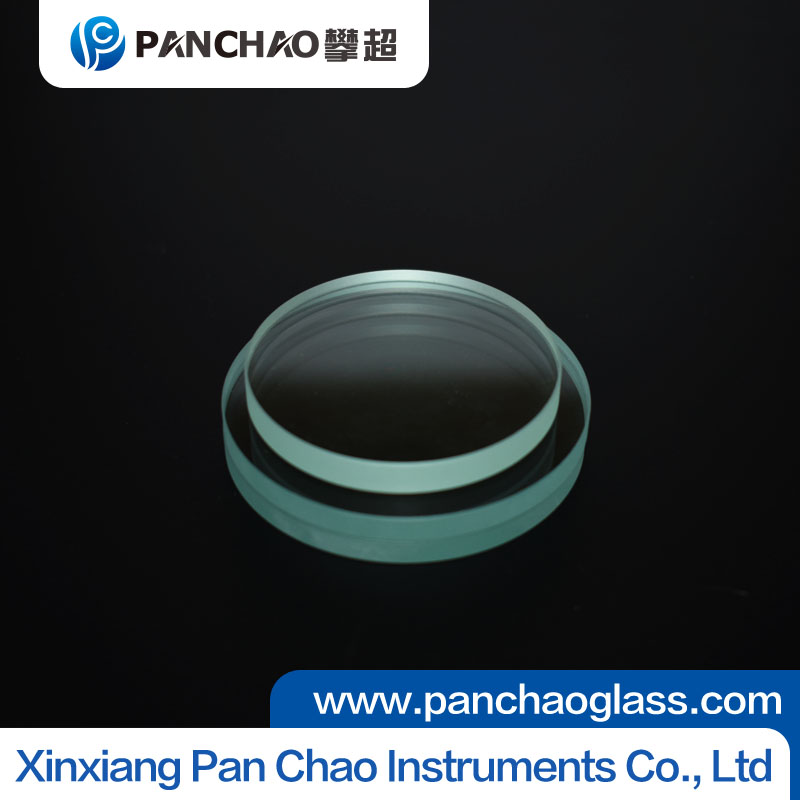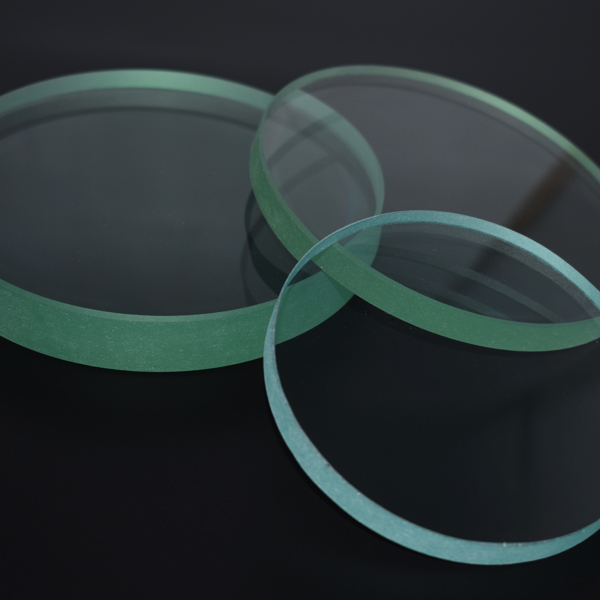

Sight glass is widely used in industrial equipment such as pressure vessels, pipelines, and reactors to allow operators to observe internal conditions. However, glass alone cannot safely withstand the mechanical and environmental stresses found in these systems. For this reason, sight glass is typically installed together with a metal frame or metal flange structure, which plays a critical role in safety and reliability.
1. Providing Mechanical Support
Glass has excellent hardness and transparency but is inherently brittle. It performs well under compression but is vulnerable to tensile stress and uneven loading. A metal frame provides structural support around the edges of the glass, distributing mechanical forces more evenly and preventing localized stress that could cause cracking.
2. Ensuring Proper Sealing
Sight glass installations often require airtight or pressure-tight seals. The metal frame allows for the use of gaskets, O-rings, and controlled bolt compression to create a reliable sealing structure. Without a rigid metal mounting system, maintaining uniform sealing pressure across the glass surface would be extremely difficult.
3. Withstanding Pressure and External Loads
In many industrial applications, sight glass must tolerate internal pressure, vacuum conditions, vibration, and mechanical impacts. Metal frames provide the strength needed to resist these external loads while protecting the glass from direct stress.
4. Allowing Safe Installation and Replacement
The metal frame also serves as an installation interface between the glass and the equipment. It enables secure mounting through bolts or clamps and allows the glass to be replaced without modifying the entire vessel or pipeline.
5. Protecting the Glass Edges
The edges of glass are the most vulnerable areas where cracks often initiate. A metal frame shields these edges from accidental impact, uneven tightening forces, and environmental damage.
6. Improving Long-Term Stability
Metal frames help maintain alignment and compression even under temperature changes and mechanical vibration. This stability is essential for maintaining both sealing integrity and structural safety over long operating periods.
In summary, the metal frame is not simply a mounting accessory—it is a critical structural component that provides support, sealing capability, pressure resistance, and protection for the sight glass. Without this framework, the glass alone would not be able to operate safely in most industrial environments.