
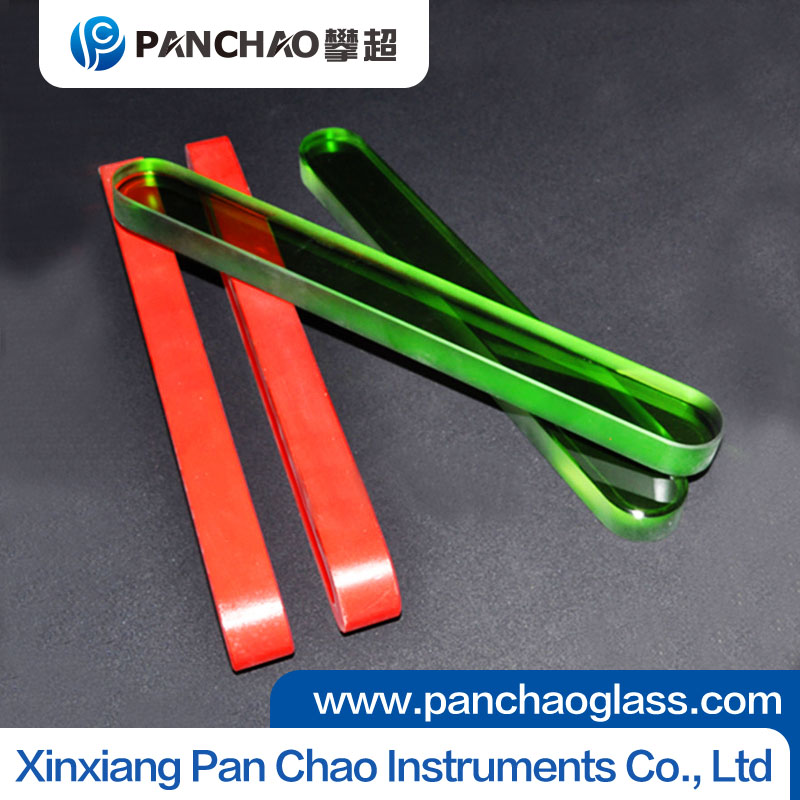
Application Limits of Anti-Fog Treatment for Sight Glass

Anti-fog treatment is widely used on sight glass to maintain visibility in environments where temperature differences or moisture can cause condensation. While these treatments can significantly improve observation clarity, they are not universally effective in all conditions. Understanding their application limits helps ensure realistic performance expectations and proper system design.
1. Temperature Difference Limitations
Anti-fog coatings work by altering the surface energy of the glass, allowing condensed moisture to spread into a thin, transparent film rather than forming visible droplets. However, when the temperature difference between the inside and outside environment is extremely large, condensation can occur faster than the coating can disperse it. In such cases, fogging may still appear.
2. Durability in Harsh Environments
Many anti-fog treatments rely on surface coatings that can gradually degrade. Exposure to abrasion, chemical cleaning agents, or high-pressure washing may reduce their effectiveness over time. In industrial environments with frequent cleaning or mechanical contact, the lifespan of the anti-fog layer may be limited.
3. Chemical Compatibility
Certain corrosive vapors or aggressive chemicals can damage anti-fog coatings or alter their surface properties. When sight glass is used in chemical processing equipment, coating compatibility with the process media must be carefully evaluated.
4. Temperature Resistance
Some anti-fog coatings are designed primarily for moderate temperatures. In high-temperature industrial processes, coatings may lose their structure or adhesion, reducing performance. For extreme temperatures, structural solutions such as heated sight glass or double-layer designs may be more reliable.
5. Optical Clarity Requirements
Although anti-fog coatings improve visibility under condensation conditions, they may introduce slight optical diffusion or reflection changes. In precision optical observation or measurement systems, even minor optical changes can affect accuracy.
6. Maintenance and Reapplication Needs
Unlike permanent material properties, many anti-fog treatments require periodic reapplication or careful maintenance. Users should account for maintenance cycles when selecting this solution.
In summary, anti-fog treatments for sight glass are effective under controlled temperature differences and moderate environmental conditions. However, their performance may be limited by extreme temperature gradients, chemical exposure, mechanical wear, and long-term durability. Selecting the appropriate anti-fog strategy requires balancing environmental conditions, optical requirements, and maintenance considerations.

Related articles
- The Advantages of High-Purity Quartz Glass and Its Applicatio
- Application Differences of Thick-Walled Glass Tubes in Labora
- Applications and Processing Considerations of Thick-Walled Gl
- Light Transmittance Testing and Applications of Quartz Glass
- Applications of Glass Tubes in Medical Devices
- Industrial Applications of Sight Glass: The Transparent Guard
- Industrial Applications of Sight Glass: The Transparent Guard
- Application of Ultra White Glass in Building Curtain Walls: B
- The application prospects of high borosilicate glass in the f
- From Laboratory to Kitchen: The Wide Application of High Boro

Xinxiang Pan Chao Instruments Co., Ltd.
Tel: +86 13343800331
Contact person:Carrie Niu
Fax: 0373 303 0331
Email:sales@panchaoglass.com
