

Why Does Sight Glass Require Independent Pressure Testing?

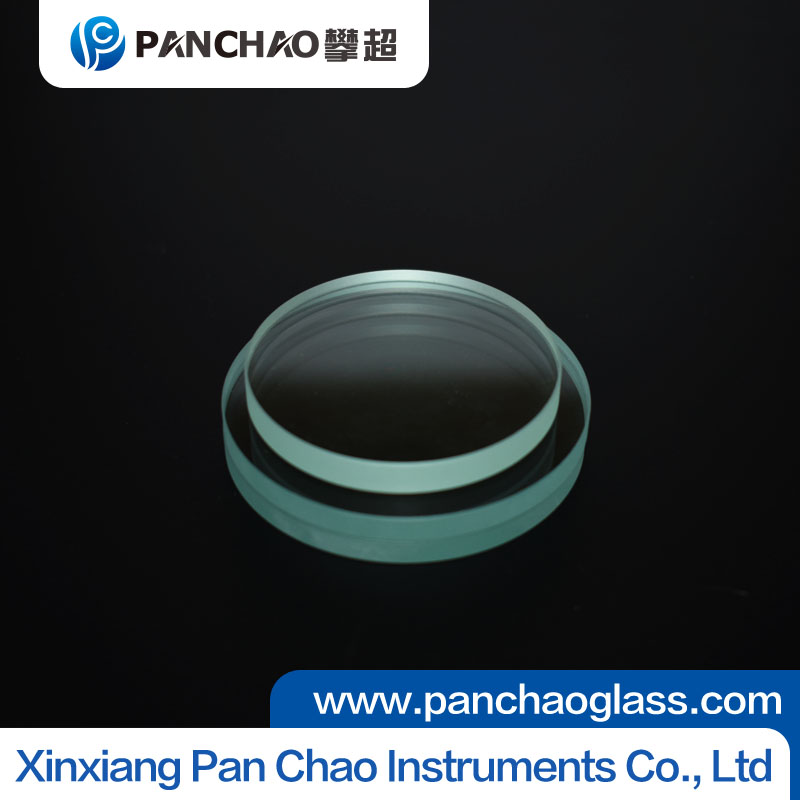
Sight glass is often a small component in a larger pressure system, but it is also one of the most vulnerable parts. This is why sight glass typically requires separate, dedicated pressure testing, rather than relying solely on the overall equipment test. The reasons are both technical and safety-related.
First, glass behaves very differently from metal under pressure. Unlike ductile materials, glass is brittle and has little tolerance for localized defects or uneven stress. Minor surface flaws, edge micro-cracks, or residual internal stress may not be visible, yet they can drastically reduce pressure resistance. Independent pressure testing helps identify these hidden weaknesses before installation.
Second, installation conditions are difficult to fully replicate in system-level tests. Sight glass is affected by gasket compression, flange alignment, bolt torque, and edge contact. Even a perfectly designed system can impose uneven stress on the glass. Stand-alone pressure testing verifies that the glass itself has sufficient margin before it is exposed to these additional installation variables.
Another key reason is batch consistency control. Sight glass is often produced in batches, and small variations in raw material, cutting, edge finishing, or annealing can affect strength. Individual or batch pressure testing ensures that each production lot meets the required safety standard, rather than assuming uniform performance.
Safety certification and standards also require independent verification. Many industrial standards treat glass components as special pressure elements due to their failure mode. If glass fails, it can do so suddenly and completely. Separate pressure testing provides documented evidence that the sight glass meets or exceeds its rated pressure.
Independent testing is also critical for design validation. Pressure tests are usually conducted at levels well above the working pressure to confirm safety factors. This helps engineers verify thickness selection, edge treatment quality, and overall design assumptions.
In summary, sight glass requires independent pressure testing because glass is brittle, sensitive to defects, influenced by installation stress, subject to batch variation, and regulated by stricter safety requirements. Separate testing is not redundancy—it is a necessary safeguard to ensure reliable and safe operation in pressure systems.

Related articles
- Why Is Quartz Glass Processing More Expensive?
- Selection Principles for Sight Glass Used in Corrosive Media
- Hidden Risks of Inadequate Edge Finishing in Sight Glass
- The Relationship Between Sight Glass Thickness and Safety Fac
- Failure Mode Analysis of Sight Glass in High-Pressure Equipme
- Failure Mode Analysis of Sight Glass in High-Pressure Equipme
- How to Choose the Right Sight Glass for Ultra-High-Pressure E
- What Is the Difference Between Glass Windows and Sight Glass?
- Custom Non-Standard Sight Glass: Common Challenges and Best S
- Safety Design Principles for Extra-Thick Sight Glass

Xinxiang Pan Chao Instruments Co., Ltd.
Tel: +86 13343800331
Contact person:Carrie Niu
Fax: 0373 303 0331
Email:sales@panchaoglass.com
