

Selection Principles for Sight Glass Used in Corrosive Media

When sight glass is used in equipment handling corrosive media, material selection becomes a decisive factor for safety, durability, and long-term reliability. Incorrect choices can lead to rapid degradation, leakage, or sudden failure. The following principles provide a clear framework for selecting suitable sight glass in corrosive environments.
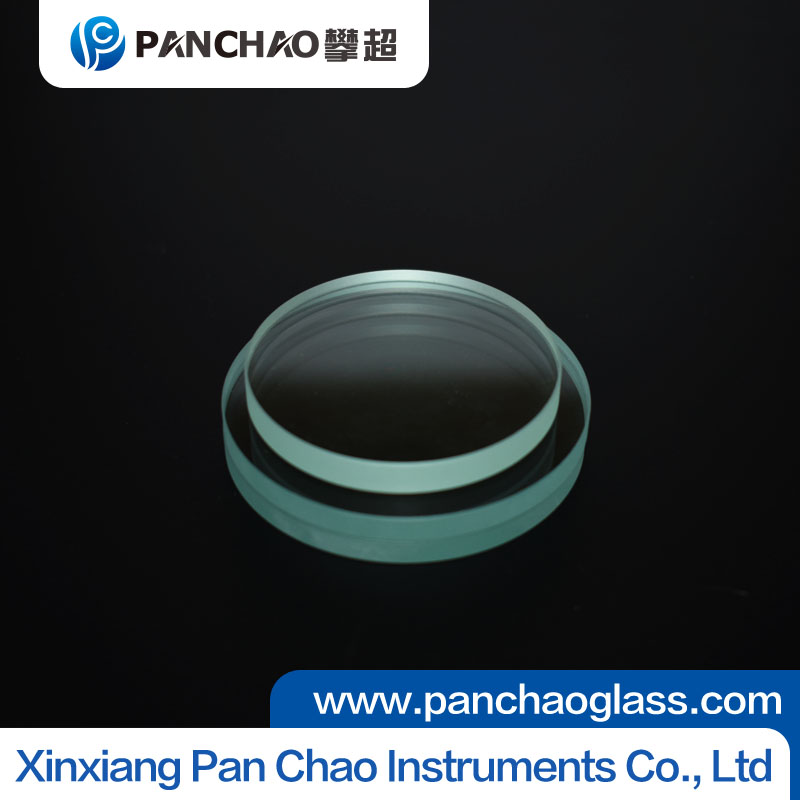
The first principle is chemical compatibility. Different corrosive media—such as strong acids, alkalis, solvents, or oxidizing agents—interact differently with glass materials. Borosilicate glass offers good resistance to most acids and organic solvents but may be attacked by strong alkalis at high temperatures. Quartz glass provides superior chemical purity and resistance, especially in high-temperature and high-purity applications, making it suitable for aggressive chemical environments. Understanding the specific chemical composition, concentration, and operating temperature of the medium is essential.
The second principle is temperature and pressure resistance. Corrosive processes often operate under elevated temperatures and pressures, which accelerate chemical attack. Sight glass material must maintain mechanical strength and corrosion resistance under these combined conditions. Thicker glass or reinforced designs may be required, but thickness alone cannot compensate for poor material resistance.
Surface quality and finishing are also critical. Smooth, polished surfaces reduce the likelihood of chemical penetration and localized corrosion. Poor edge finishing or surface defects can become initiation points for corrosion and cracking, significantly shortening service life.
Another important factor is seal and gasket compatibility. Even if the glass itself is corrosion-resistant, incompatible gasket materials can degrade, leading to leaks that expose the glass edges to concentrated chemicals. Selecting corrosion-resistant gaskets and ensuring proper installation are integral to overall system reliability.
In some applications, protective coatings or laminated designs may be considered to extend service life. However, coatings must be carefully evaluated for chemical stability and adhesion, as coating failure can introduce new risks.
Finally, standards and safety margins should guide selection. Sight glass used in corrosive service should meet relevant industry standards and include appropriate safety factors to account for long-term degradation.
In conclusion, selecting sight glass for corrosive media requires careful evaluation of chemical compatibility, operating conditions, surface quality, sealing materials, and safety standards. A systematic approach ensures safe operation, minimizes maintenance, and extends equipment service life.

Related articles
- Performance Differences of Various Glass Materials in High-Te
- How to Choose the Right Sight Glass for Ultra-High-Pressure E
- Key Annealing Process Considerations for Quartz Glass Used in
- Safety Design Principles for Extra-Thick Sight Glass
- An Analysis of Precision Cutting Techniques for Quartz Glass
- Sight Glass Selection Guide for High-Temperature Environments
- Key Precautions for Secondary Processing of Tempered Glass
- Future Trends: How Smart Equipment Is Shaping New Demands for
- Testing the UV Transmission Performance of Small Quartz Glass
- How Heat-Resistant Is Borosilicate Glass Tubing? Why It’s t

Xinxiang Pan Chao Instruments Co., Ltd.
Tel: +86 13343800331
Contact person:Carrie Niu
Fax: 0373 303 0331
Email:sales@panchaoglass.com
