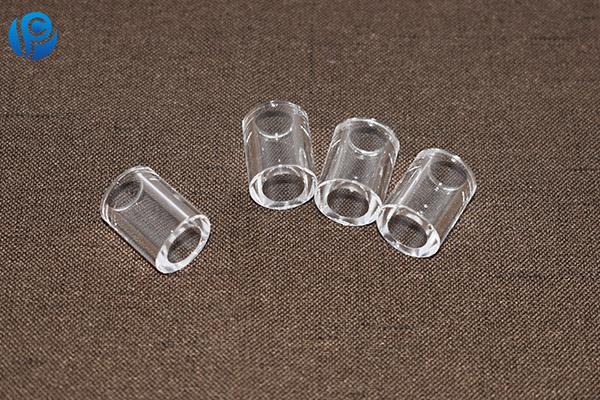
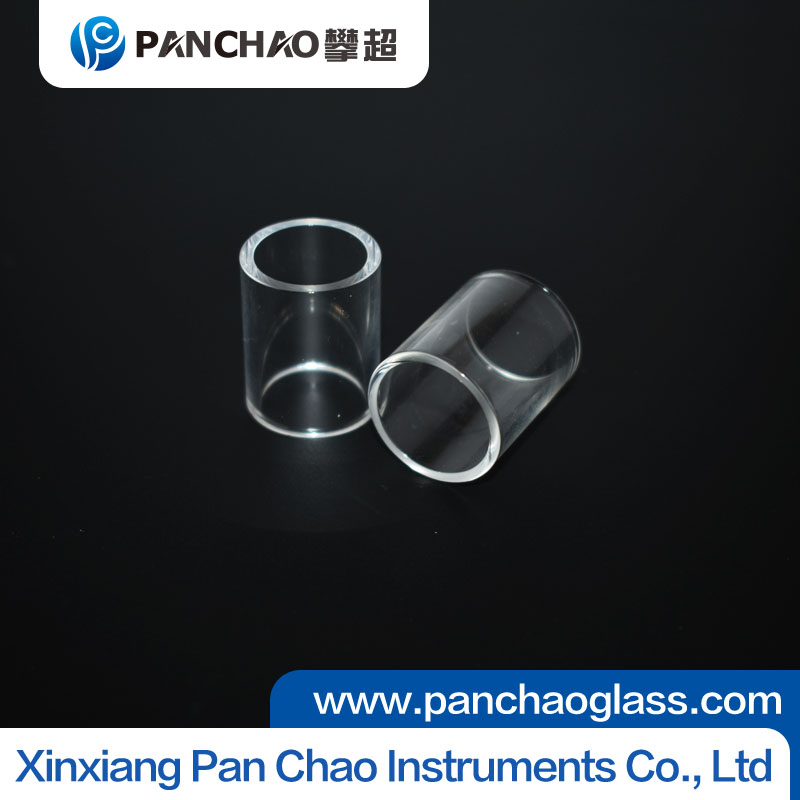
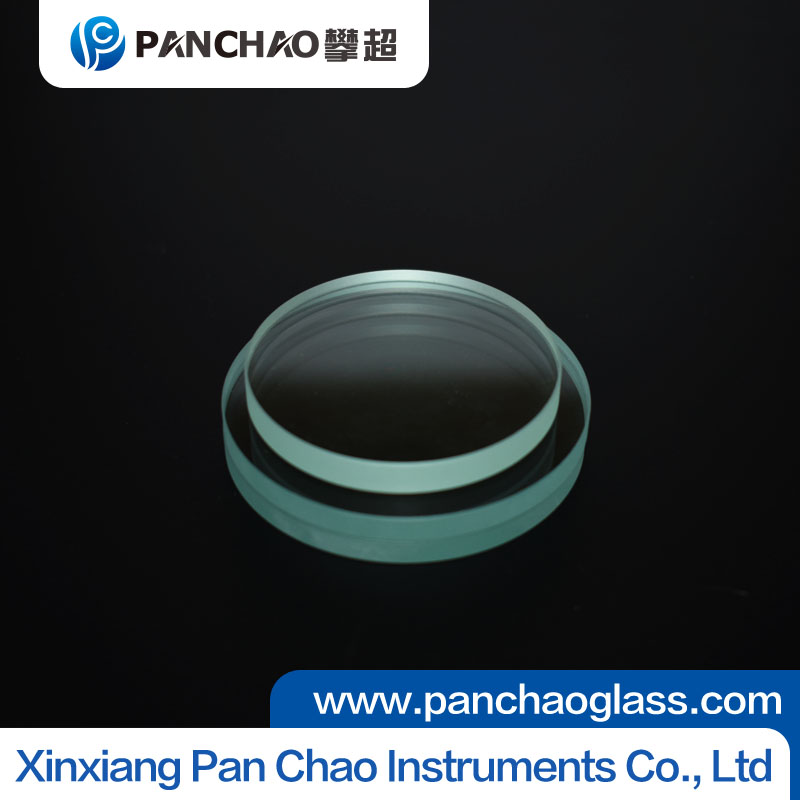
Sight glass is widely used in chemical processing, pharmaceutical production, food manufacturing, pressure vessels, and industrial observation systems. While glass offers excellent transparency and chemical stability, it is inherently brittle and can be vulnerable to mechanical impact. Improving impact resistance is therefore a key consideration in sight glass design, material selection, and installation.
1. Choose the Right Glass Material
The first step is selecting a material with suitable mechanical properties.
Common options include:
-
Borosilicate glass – Offers good thermal shock resistance and higher durability than ordinary glass.
-
Tempered glass – Provides significantly improved impact strength through controlled internal stress distribution.
-
Quartz glass – Delivers excellent thermal stability and chemical resistance for demanding environments.
-
Laminated glass structures – Combine multiple layers to improve safety and reduce the risk of catastrophic failure.
Material selection should always match the operating environment.
2. Optimize Glass Thickness
Increasing thickness generally improves the glass’s ability to withstand external forces. However, thickness should be calculated based on:
-
Operating pressure
-
Window diameter
-
Impact risk level
-
Temperature conditions
Excessive thickness may increase cost and weight without providing proportional benefits.
3. Improve Edge Processing Quality
Many glass failures begin at the edges rather than the center.
Precision edge processing can:
-
Remove microcracks
-
Reduce stress concentration
-
Improve load distribution
-
Enhance overall structural reliability
Polished and properly finished edges significantly improve impact performance.
4. Use Tempering Technology
Tempering creates a surface compression layer that helps resist crack initiation and propagation.
Benefits include:
-
Higher mechanical strength
-
Better impact resistance
-
Improved resistance to thermal stress
-
Safer fracture behavior if breakage occurs
For many industrial applications, tempered sight glass is a preferred solution.
5. Design Proper Support Structures
Even high-quality glass can fail if the mounting structure is poorly designed.
Good support design should:
-
Distribute loads evenly
-
Prevent localized stress
-
Avoid excessive clamping force
-
Accommodate thermal expansion
Proper gasket selection also plays an important role.
6. Minimize Thermal Shock
Sudden temperature changes can weaken glass and increase its susceptibility to impact damage.
To reduce risk:
-
Avoid rapid heating and cooling
-
Use materials with low thermal expansion
-
Maintain stable operating conditions when possible
7. Apply Protective Measures
In environments with high mechanical risk, additional protection may be beneficial:
-
Metal guards
-
Protective screens
-
Shielding covers
-
Laminated safety structures
These measures help prevent direct impact on the glass surface.
Conclusion
Improving impact resistance requires a combination of material selection, structural design, manufacturing quality, and proper installation. No single solution can eliminate all risks, but a well-engineered approach can significantly improve durability and safety.
At Zhongpanxin, we provide customized sight glass solutions featuring precision machining, high-quality materials, and optimized structural designs to help customers achieve reliable performance in demanding industrial environments.
Stronger sight glass is not simply a matter of thicker glass—it is the result of comprehensive engineering.