Blog
Your position:Home > Blog >
Performance of Sight Glass in High-Temperature Steam Environments

Performance of Sight Glass in High-Temperature Steam Environments

PCHAO brand industrial sight glass give you professional custom!
Address:Room 1624, Jing Ye Gong Yuan Guo Ji, Jin Sui road and New Second Street intersection, Xin Xiang city, Henan Province, China
 
Phone: +8613569413718

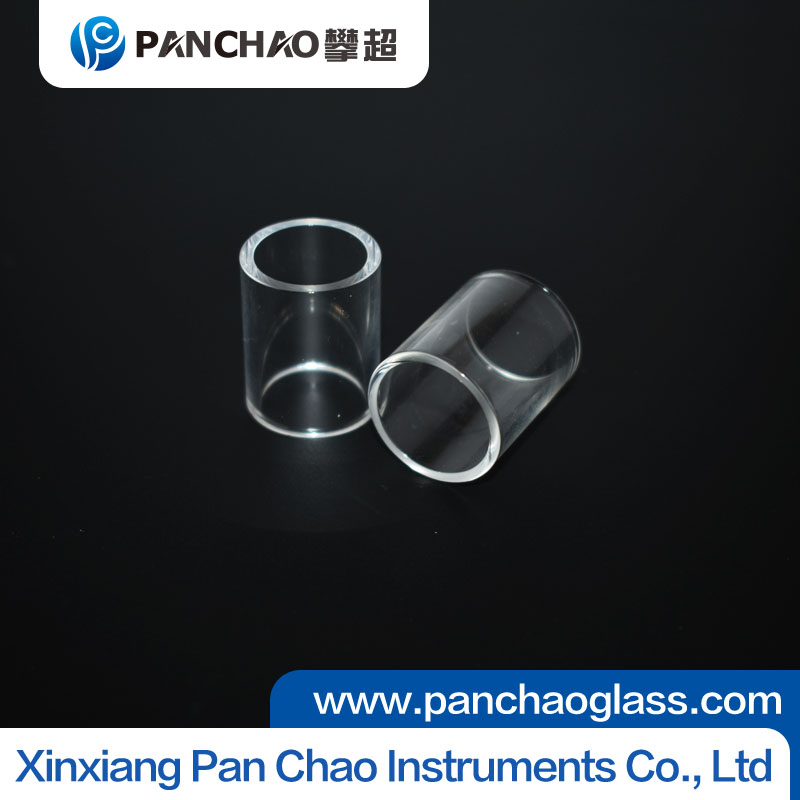
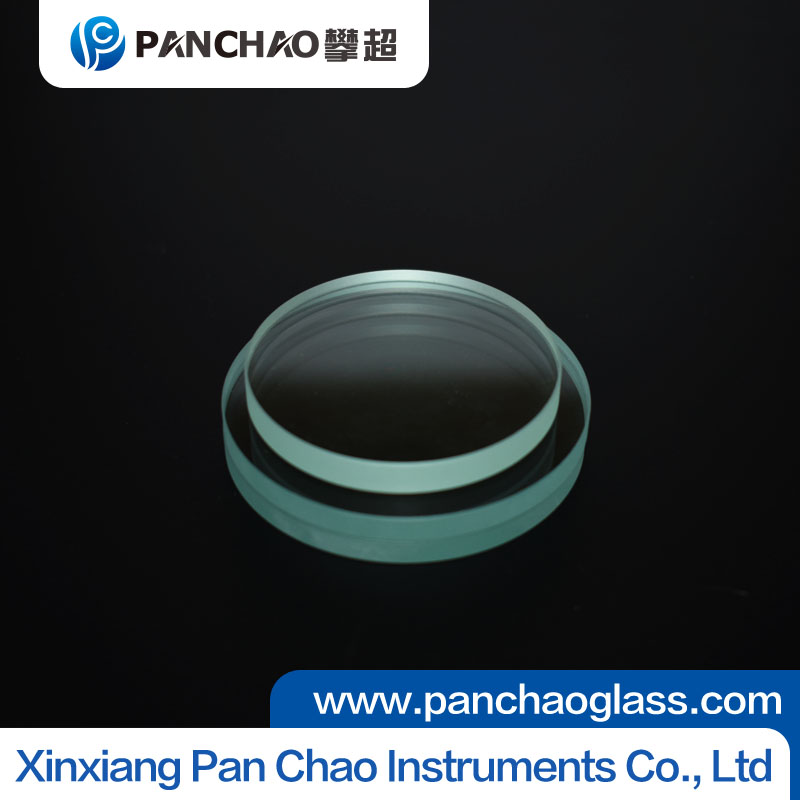
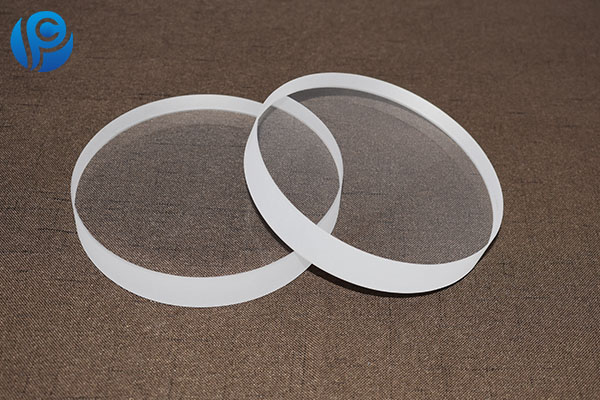
Sight glass is commonly used in boilers, reactors, pipelines, food processing systems, and chemical equipment to provide visual monitoring of internal processes. In high-temperature steam environments, however, the glass is exposed to a combination of elevated temperature, pressure, moisture, and thermal cycling, making material performance and design selection especially important.

One of the main challenges is thermal stress. High-temperature steam heats the glass surface continuously, while temperature fluctuations during startup, shutdown, or process changes can create uneven expansion within the material. If the generated thermal stress exceeds the glass’s tolerance, cracking or failure may occur.

Material selection therefore becomes critical. Different glass types perform differently in steam environments:

  • Ordinary soda-lime glass has limited temperature resistance and lower thermal shock capability, making it less suitable for demanding steam applications.
  • Borosilicate glass offers a lower thermal expansion coefficient and better resistance to rapid temperature changes, making it one of the most common choices for industrial sight windows.
  • Quartz glass provides excellent high-temperature stability and can tolerate significantly higher temperatures, though selection depends on the specific application requirements.

Another important factor is pressure resistance. Steam systems often operate under pressure, which means the sight glass experiences both thermal and mechanical loading simultaneously. Thickness calculations, mounting design, and safety factors must be carefully engineered.

Long-term exposure to steam can also influence surface condition and optical clarity. Mineral deposits, condensate residues, or chemical contaminants in the steam may gradually affect visibility if not properly controlled.

Repeated heating and cooling cycles introduce another concern: thermal fatigue. Even when individual cycles remain within design limits, repeated stress over long periods can gradually weaken the glass.

To improve performance in high-temperature steam service, manufacturers often incorporate:

  • Precision edge processing to reduce stress concentration
  • Proper annealing to minimize residual stress
  • Suitable gasket materials resistant to heat and steam
  • Protective structures or safety designs for pressure applications

Regular inspection is also important to identify early signs of wear, surface damage, or reduced transparency.


In high-temperature steam systems, the right glass choice is essential for both safety and durability.


* requiredBuy:Performance of Sight Glass in High-Temperature Steam Environments
* Name:
*Email:
Tel:
Whatsapp:
Skype:
*Message:
Please fill out the purchase of the product quantity and product description, ready for the convenience we undertake unity.

Related articles

Contact Us
Xinxiang Pan Chao Instruments Co., Ltd.

Tel: +86 13343800331

Contact person:Carrie Niu

Fax: 0373 303 0331

Email:sales@panchaoglass.com