

Application Boundaries of Thick-Walled and Thin-Walled Glass

The choice between thick-walled glass and thin-walled glass is not simply a matter of strength versus weight. Each type has clear application boundaries defined by mechanical load, thermal conditions, optical requirements, and processing constraints. Understanding these boundaries is essential for safe and efficient design.
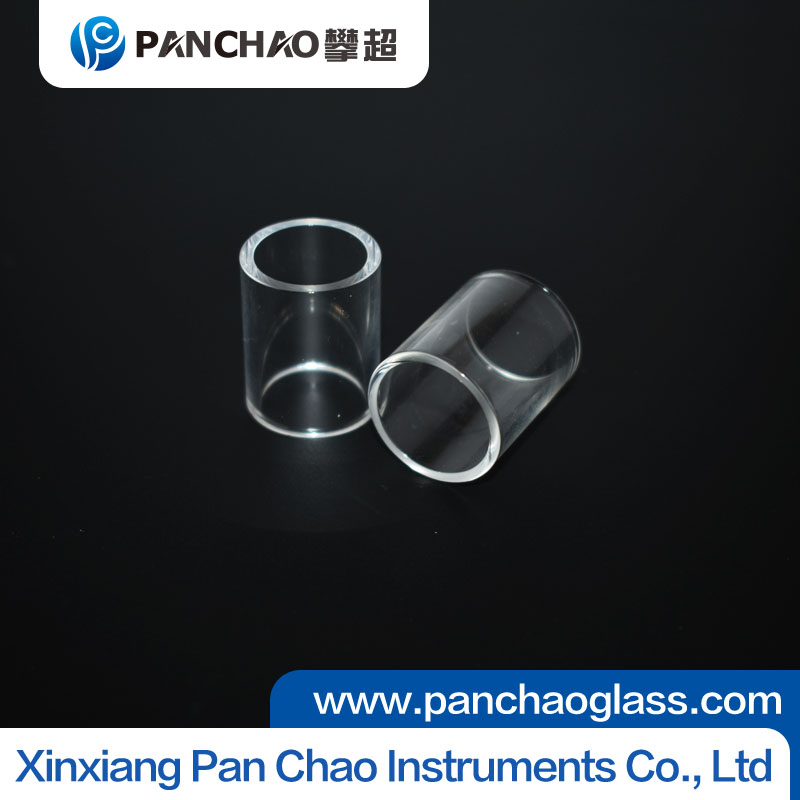
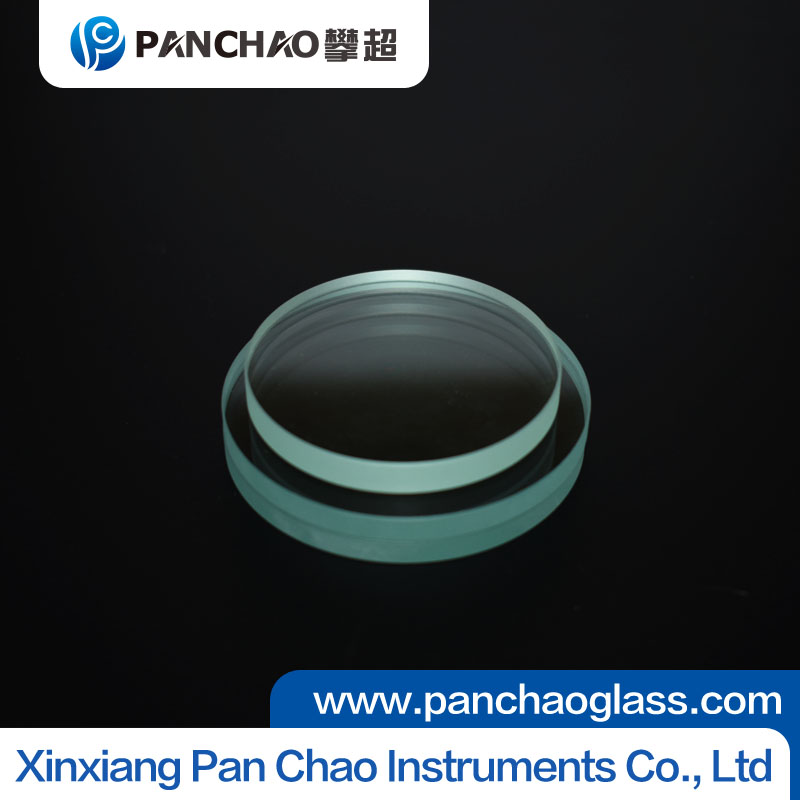
Thick-walled glass is primarily used in applications where high mechanical strength and pressure resistance are required. Its greater wall thickness allows it to withstand higher internal or external pressure, making it suitable for pressure sight glasses, high-pressure glass tubes, chemical reactors, and safety observation windows. Thick walls also provide better resistance to impact and vibration, which is important in industrial environments. However, the increased thickness comes with trade-offs: higher weight, higher cost, and greater sensitivity to internal stress if annealing is not properly controlled.
Thermal performance is another key boundary. Thick-walled glass has a larger temperature gradient during heating or cooling, which increases the risk of thermal stress. In applications involving rapid temperature changes, thick glass requires materials with excellent thermal stability, such as borosilicate or quartz, and carefully controlled heating and cooling rates.
Thin-walled glass, on the other hand, is favored where lightweight design, fast thermal response, and high optical clarity are required. It is commonly used in laboratory glassware, medical tubing, analytical instruments, and optical components. Thin walls heat up and cool down more quickly, reducing thermal shock risk in moderate-temperature applications. They also offer higher light transmission and lower material cost.
However, thin-walled glass has clear limitations in pressure-bearing capacity and mechanical durability. It is more susceptible to breakage from impact, vibration, or uneven clamping forces. As a result, it is unsuitable for high-pressure systems or harsh industrial conditions without additional structural support.
Processing and installation also define application boundaries. Thick-walled glass is more difficult to cut, drill, and anneal, while thin-walled glass requires precise handling to avoid deformation or chipping.
In conclusion, thick-walled glass is best suited for high-pressure, high-load, and safety-critical applications, while thin-walled glass excels in lightweight, optical, and laboratory uses. Correct selection depends on understanding these application boundaries and matching glass properties to real operating conditions.

Related articles
- The Advantages of High-Purity Quartz Glass and Its Applicatio
- Application Differences of Thick-Walled Glass Tubes in Labora
- Applications and Processing Considerations of Thick-Walled Gl
- Light Transmittance Testing and Applications of Quartz Glass
- Applications of Glass Tubes in Medical Devices
- Industrial Applications of Sight Glass: The Transparent Guard
- Industrial Applications of Sight Glass: The Transparent Guard
- Application of Ultra White Glass in Building Curtain Walls: B
- The application prospects of high borosilicate glass in the f
- From Laboratory to Kitchen: The Wide Application of High Boro

Xinxiang Pan Chao Instruments Co., Ltd.
Tel: +86 13343800331
Contact person:Carrie Niu
Fax: 0373 303 0331
Email:sales@panchaoglass.com
